Subscribe to our Telegram channel!
Scientists tell what irreversible consequences life on the Moon and Mars will have for people

American writer Zack Weinersmith and his wife, parasitologist Kelly Weinersmith, decided to check how realistic the plans of humanity or individual billionaires to colonize other planets and satellites are. In their book City on Mars, the authors were going to write a guide to the «golden age of space settlements,» but the result was almost a futuristic prediction.
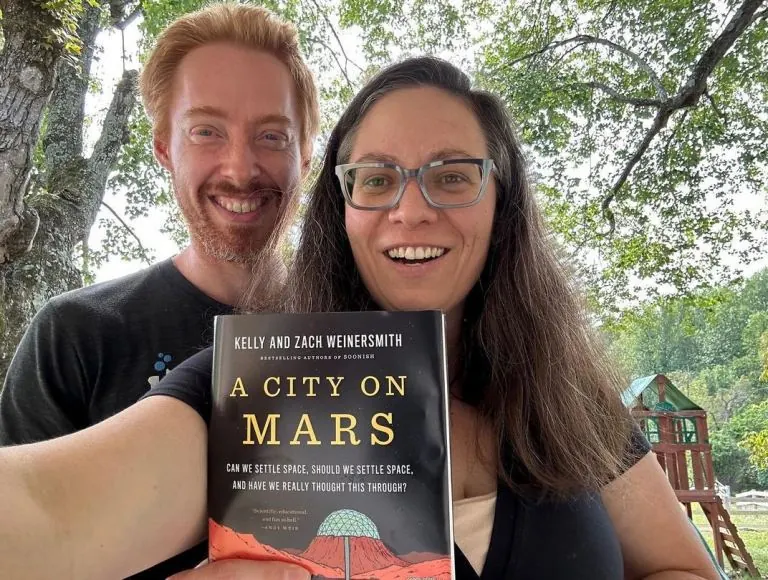
«We have done a lot of research on space settlements, looking at the issue from all sides. It was a four-year research project. And after about 2.5 years, we moved from a fairly optimistic forecast to a desirable, close, probable possibility that is probably impossible in the near future and even undesirable. So it was pretty hard,» Zach Weinersmith says of the book.
The couple found that there had been very little research into the potential long-term consequences of living on the Moon or Mars. There was also no scientific discourse on how humanity would reproduce off Earth. Moreover, legal uncertainty about property rights in space will also potentially create a number of problems.
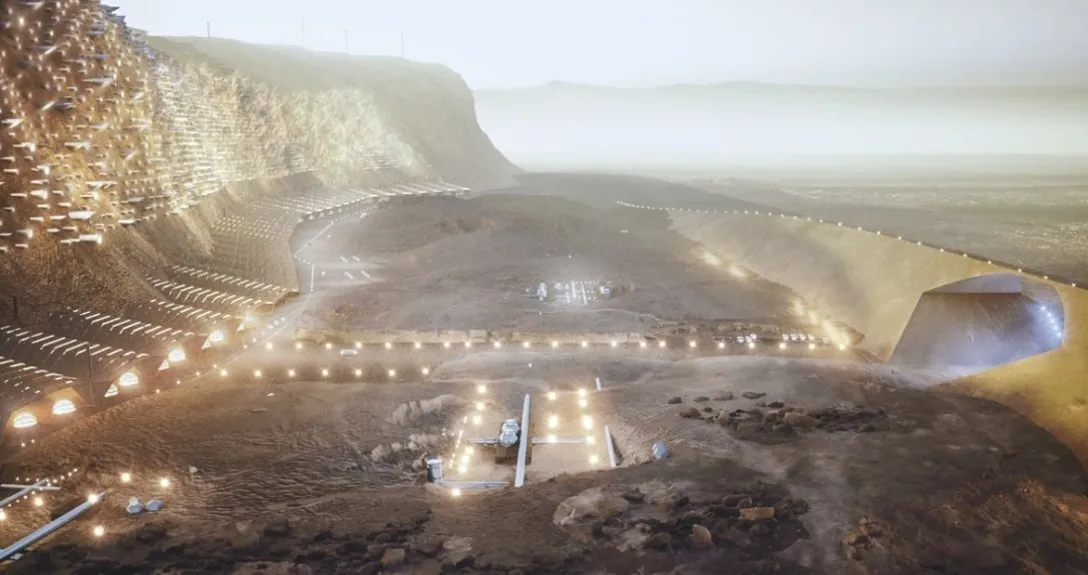
«The main idea of creating a settlement on Mars is the so-called 'Plan B' for humanity, which will help secure the future of our entire species if something happens to the Earth. But are we really reducing the existing risks? I believe that we do not yet have an answer to this question. The argument is that we can’t even predict the outcome,» Zach says.
It is unclear how long it will take to ensure the safety of humanity during a massive presence in space, but this is not the only obstacle that earthlings will have to overcome. A large section of the Weinersmiths' book is devoted to the intricacies of international law that apply or should apply to property rights in space.
Will it ever be possible to build cities on Mars? There is certainly a plan to get there, but the journey will not be easy or cheap. «If you gave us a budget the size of NASA to solve the problems that need to be overcome to establish settlements in space, most of the money would go to building hermetic ecosystems on Earth,» Zach emphasizes.
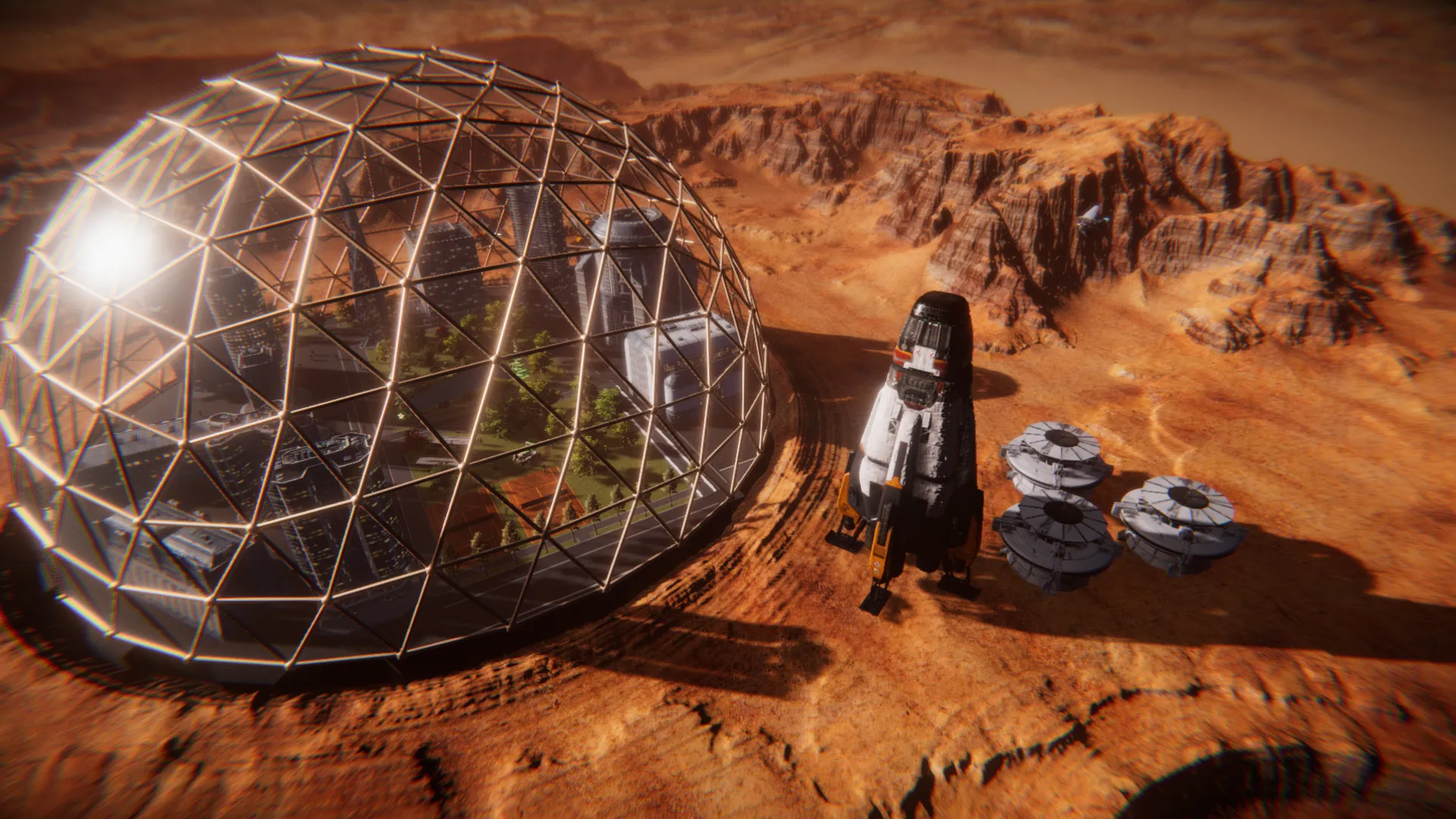
The author talks about creating many experimental enclosed living quarters modeled after the Biosphere 2 facility, where the research team lived for two years in the 1990s. Similar facilities have been created elsewhere, including in China and Spain, but Zach believes that such efforts need to be taken to the next level.
«If I were running a space exploration agency, I would want to build a lot of these systems, maybe make them smaller than Biosphere and modular so you can see how small you can make them. We also need to find out what plants, bacteria, and animals are best to take with us, to develop a real plan. We don't have one yet,» the author emphasizes.
With regard to legal issues, the Weinersmiths believe that the rights and obligations related to space settlements, including the right to extract resources, should be discussed at the international level. The couple points to the process that led to the creation of the International Seabed Authority as a reference.
«We still have a lot of amazing research to do. For example, to finally send robots into lava tubes, where settlements may be located in the future. But in terms of making money, everything is very relative. In fact, there is no real reason to desperately fight for cities on the Moon or Mars. These places can be like Antarctica, where we do science, collaborate and learn, but we don’t live,» the authors of the book concluded.
*based on the material of Universe Today